


Analysis: Correspondents’ Dinner Attack Is a New Assault on Rituals That Define US Democracy

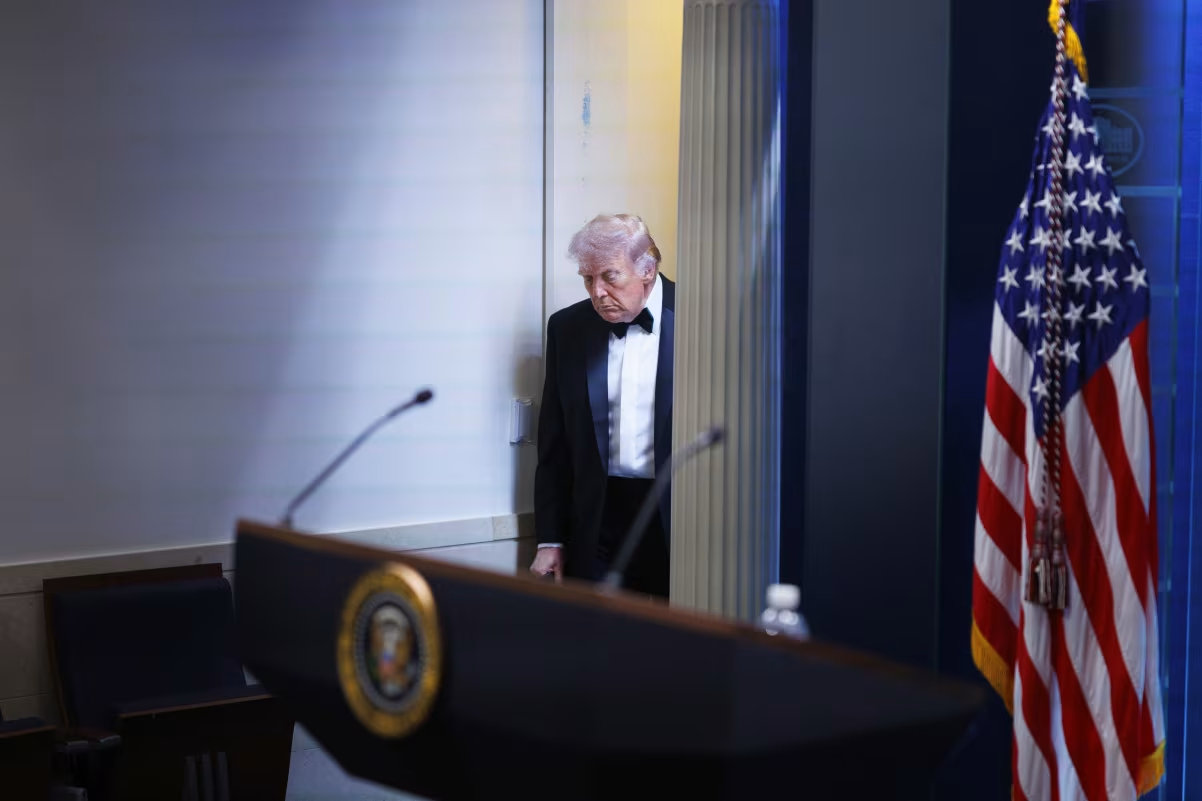
The gunman who allegedly aimed to target President Donald Trump’s Cabinet at the White House Correspondents’ Association dinner Saturday night crystallized a widening tide of political violence that now imperils the very rituals of American democracy. If it is confirmed that Trump was a target, this would be the third assassination attempt against him in less than two years.
The attack created an unusual shared experience for Trump and the press. After gunfire erupted outside the vast ballroom of a Washington hotel, armed security agents and SWAT teams rushed the stage and floor. Guests in black tie and ball gowns dived beneath tables. For one night, almost the entire brain trust of the U.S. government and major media figures were united—in fear.
Trump vowed Sunday that violence should not win and that the dinner should be rescheduled, despite his frequent accusations that the Washington press is “fake news.” “Tell them to get it going and we should do it again within 30 days,” Trump told CBS’ Norah O’Donnell on “60 Minutes.” He added, “It’s not that I want to go. I am very busy; I don’t need that. But I think it’s very important that we do it again.”
The attack will spark a major investigation into security around the president and whether it is feasible for commanders in chief to attend such mass gatherings. Texas Republican Rep. Michael McCaul noted that the line of succession—President, Vice President, and Speaker of the House—was all seated at the head table. “Had an explosive device gone off, you would have knocked out the president, vice president, speaker,” he said.
Deputy Attorney General Todd Blanche said first indications were that the alleged assailant, Cole Tomas Allen of California, was “targeting members of the administration.” Blanche said it was possible Allen could be later charged with trying to assassinate the president.
The thwarted attack is part of a rising tide of violence against public officials. Recent history includes the 2011 shooting of Rep. Gabby Giffords, the 2017 wounding of Rep. Steve Scalise, the January 6, 2021, Capitol attack, the 2022 hammer attack on Paul Pelosi, and the murders of Minnesota state Rep. Melissa Hortman and conservative campaigner Charlie Kirk last year.
Democratic Rep. Jared Moskowitz described a disrupted plot against him that sent a constituent to jail for 25 years. Such threats, he said, make families ponder the viability of political careers. “They talk about it all the time, like, it’s enough, you know. It’s time to maybe go do something else,” he told CNN. “A lot of the spouses really want their members to come home.”
The attack also raised security questions about the dinner itself. The alleged assailant, who bought his guns legally, had a room at the hotel. Dinner guests did not go through metal detectors until they were on lower levels closer to the ballroom. One option would be for the Department of Homeland Security to declare the annual dinner a National Security Special Event, though that would entail new costs and disruption.
Trump quickly used the attack to push his plan for a new White House ballroom, which he said would be “drone-proof” and have “bulletproof glass.” But even that venue might not accommodate the annual press gala, which had more than 250 tables holding 10 guests each. And holding the event at the White House would change its character: reporters would be guests of the president on government property. A dinner inside a president’s gilded cage would imply that the values and rights on which democracy depends can no longer be publicly celebrated.

The latest news in your social feeds
Subscribe to our social media platforms to stay tuned