

Mexico Steps In as Iran’s World Cup Plans Collide With US Tensions
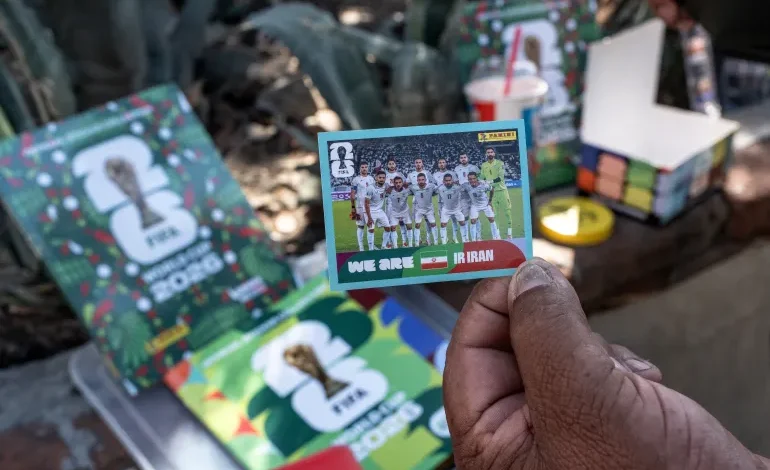


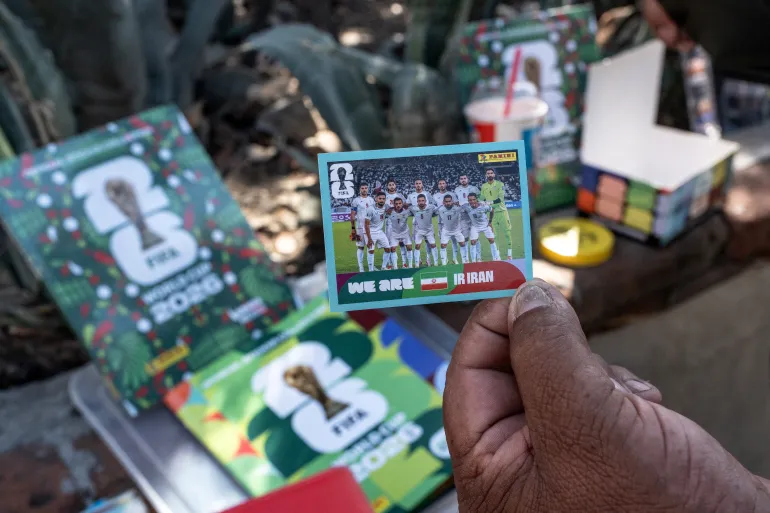
Mexican President Claudia Sheinbaum says Mexico will host Iran’s national football team during the upcoming FIFA World Cup after the United States signaled it did not want the squad based on American soil.
Speaking during her daily press conference on Monday, Sheinbaum said FIFA approached Mexico about accommodating the Iranian team as diplomatic tensions between Washington and Tehran continue to complicate tournament logistics.
“We have no reason to deny them the possibility of staying in Mexico,” Sheinbaum said.
Iran had originally been expected to play all three of its group-stage matches in the United States. But the administration of Donald Trump has repeatedly sent mixed signals about Iran’s participation in the tournament.
US officials previously argued that it was not “appropriate” for Iranian players and staff to remain in the country “for their own life and safety”. At the same time, Trump has publicly insisted the team would still be “welcome”.
So far, however, Washington has not issued the visas required for the Iranian delegation to travel to the US.
The uncertainty comes against the backdrop of the ongoing US-Israel war involving Iran, which began on February 28 and continues despite tense diplomatic negotiations. The conflict has already killed thousands in Iran and destabilized broader regional politics, while also spilling into international events far removed from the battlefield — including the World Cup itself.
On Sunday, Mehdi Taj confirmed that Iran plans to relocate its training base from Tucson, Arizona, to the Mexican border city of Tijuana.
According to Taj, the move received FIFA approval after meetings with officials in Istanbul and a virtual conference involving FIFA Secretary General Mattias Grafstrom.
Taj said shifting operations to Mexico would help the team avoid ongoing visa complications and allow direct travel aboard Iran Air flights.
The arrangement also highlights the awkward geopolitical balancing act now surrounding the 2026 World Cup, which is being jointly hosted by the US, Mexico and Canada. While the tournament is meant to showcase international openness and cooperation, the broader political climate has increasingly complicated that message.
Trump himself has fluctuated between dismissiveness and hostility regarding Iran’s participation. In March, when asked by Politico about the Iranian team competing in the tournament, he reportedly replied, “I really don’t care”, before describing Iran as a “badly defeated country”.
Despite the uncertainty, Iran remains one of Asia’s strongest football sides and has now qualified for four consecutive World Cups. The team currently sits near the top of the Asian Football Confederation rankings.
The wider war, however, continues to cast a shadow over preparations. Since fighting began in February, roughly 3,468 people have reportedly been killed in Iran and more than 26,500 injured. The conflict has also disrupted global markets, contributing to rising fuel and fertilizer prices worldwide.
For Mexico, agreeing to host Iran is both a practical solution for FIFA and a subtle diplomatic signal. While Washington debates security concerns and visa restrictions, Mexico is positioning itself as the more flexible co-host willing to keep the tournament functioning smoothly despite escalating geopolitical tensions.
The World Cup is scheduled to begin on June 11, with 78 matches set to take place in the United States, including the final.

The latest news in your social feeds
Subscribe to our social media platforms to stay tuned