


Oil Eases, Markets Edge Higher as Hopes for US–Iran Talks Resurface

With input from Barron’s, the New York Times, and the Wall Street Journal.
Markets dialed things down Tuesday.
Oil prices slipped, stocks nudged higher, and traders latched onto a familiar driver: the possibility that the US and Iran might get back to the negotiating table.
There’s a deadline looming. A two-week cease-fire between United States and Iran is set to expire soon, and signals are emerging that both sides could meet again – this time in Pakistan. That hint of diplomacy was enough to cool some of the recent anxiety, even as tensions around the Strait of Hormuz remain unresolved.
Oil reacted first.
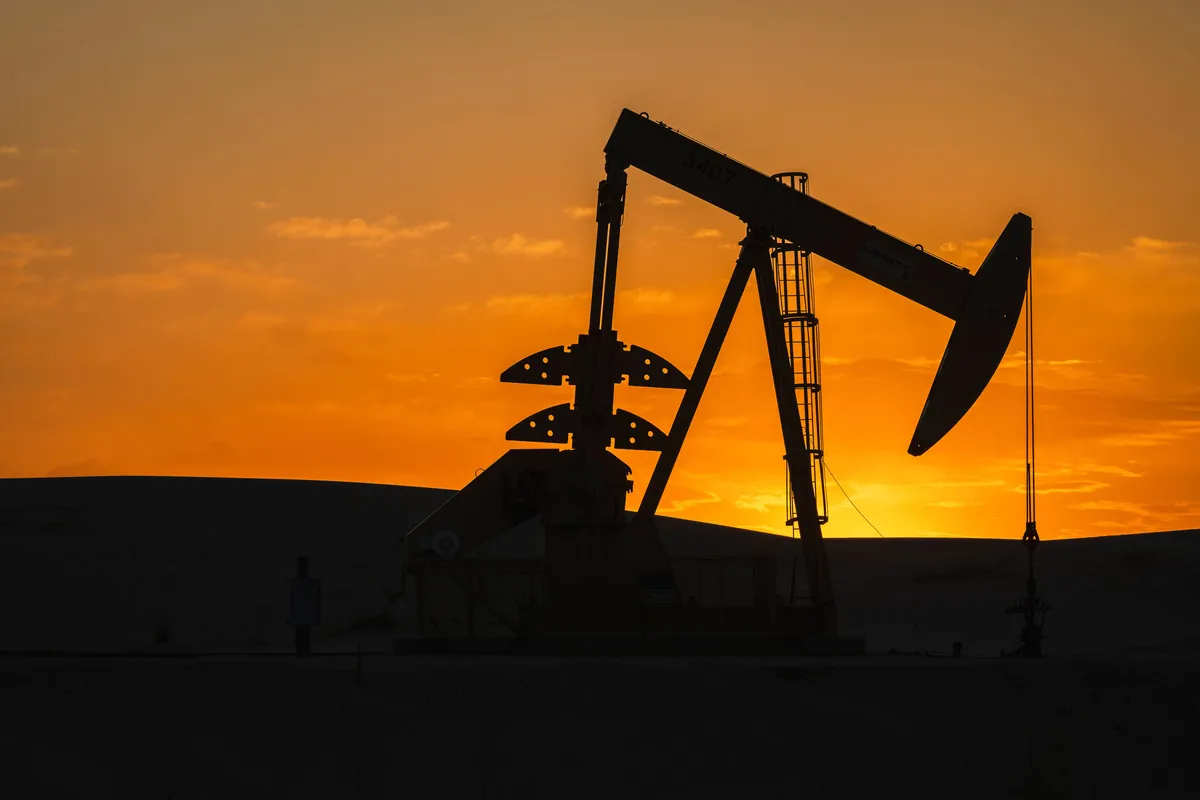
Brent crude drifted down about 1%, hovering near $95 a barrel. West Texas Intermediate followed, easing to around $87. Not a dramatic drop, but a shift in tone after days of sharp swings tied to disruptions in the Gulf.
That shipping lane still matters – a lot. The Strait of Hormuz handles roughly a fifth of the world’s oil supply, and any slowdown there keeps traders on edge. Even with prices pulling back, no one’s ignoring the risk.
Equities, meanwhile, found a bit of footing.
Futures tied to the S&P 500 pointed slightly higher ahead of the US open. Overseas, the mood was a touch brighter. Asian markets led the way, with benchmarks in South Korea and Taiwan jumping around 2%, and Japan’s Nikkei 225 climbing more than 1%. Europe was quieter – gains, but barely.
Energy costs are also starting to filter down to consumers, albeit slowly.
Gasoline prices in the US ticked lower to an average of $4.02 a gallon, according to AAA. That’s off recent highs from earlier this month, though still significantly above where prices sat before the conflict began. Diesel remains elevated too, reflecting how deeply the war has rippled through fuel markets.
The lag is typical. Pump prices don’t move in sync with crude – they follow, usually a few days behind.
For now, the broader picture feels like a pause rather than a pivot. Oil is off its peaks, stocks are steadying, and investors are watching headlines out of the Middle East with one eye on diplomacy and the other on supply routes.
If talks materialize, markets could breathe easier. If not, the calm probably won’t last long.


The latest news in your social feeds
Subscribe to our social media platforms to stay tuned