

Crash in Chihuahua puts US role in Mexico security ops under scrutiny

A fatal crash in northern Mexico has opened a familiar but unresolved question: how far US involvement in Mexican security operations actually goes — and who is authorising it.
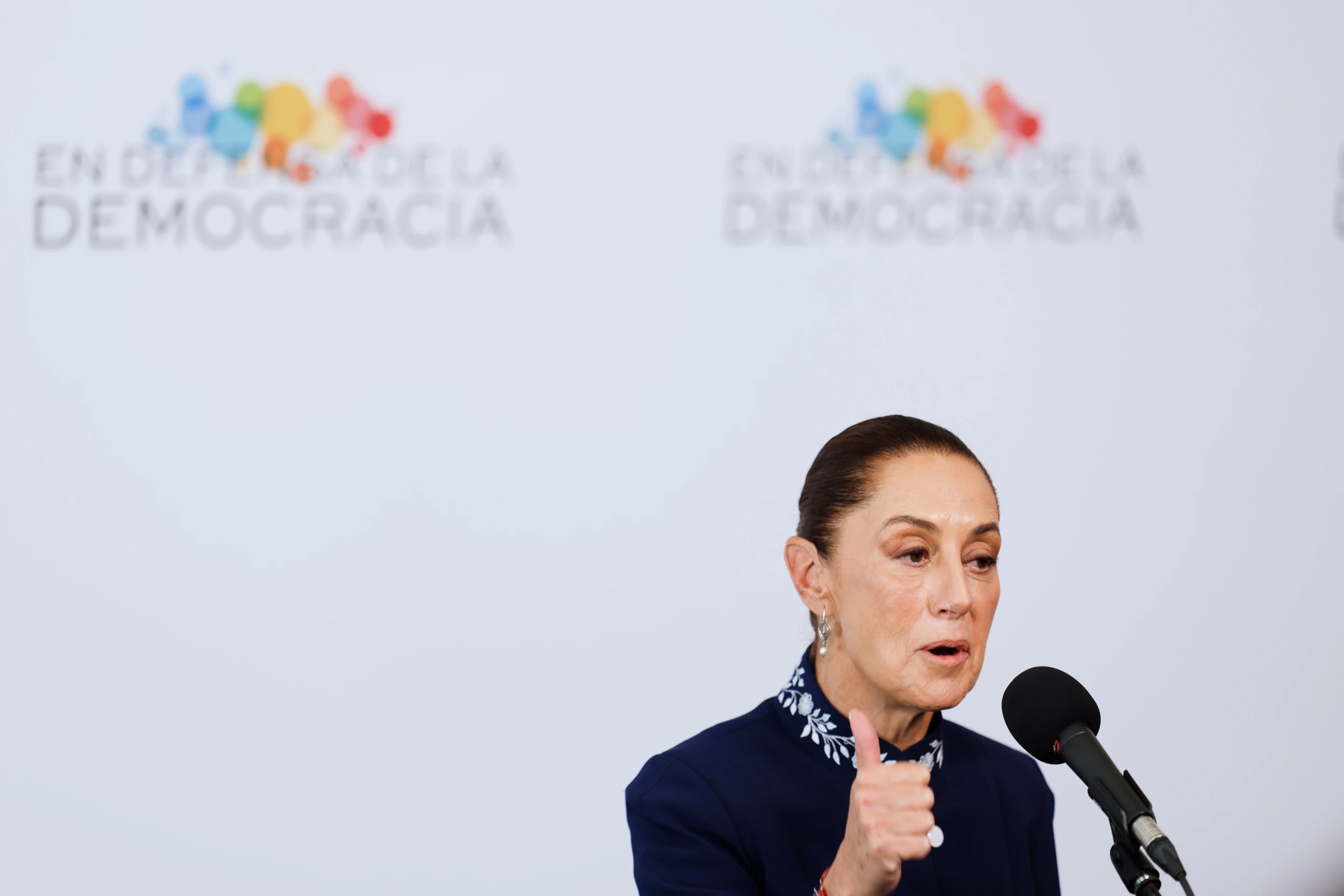
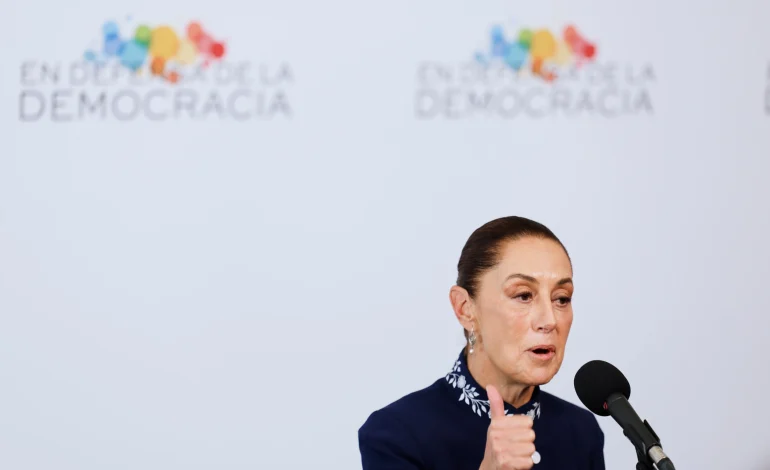
President Claudia Sheinbaum said Monday she would demand answers after two US officials and two Mexican investigators died in a weekend accident in Chihuahua. The incident followed an operation targeting a clandestine drug lab, but what exactly happened before and after that operation remains unclear.
“It was not an operation that the security cabinet was aware of,” Sheinbaum told journalists. “We were not informed; it was a decision by the Chihuahua government.”
Her response points to a deeper issue. Under Mexican law, any collaboration with foreign entities requires federal approval. Sheinbaum made clear that her government would investigate whether that framework had been bypassed.
The crash itself was described as a nighttime accident in difficult terrain. According to Chihuahua Attorney General César Jáuregui, the group was travelling through a mountainous area linking Chihuahua and Sinaloa when their vehicle “appears to have skidded at some point and fell into a ravine, exploding.”
The four victims included two local officials and two US Embassy instructors who, Jáuregui said, were involved in routine “training work.”
That explanation has not fully settled the matter. The US Embassy confirmed that its personnel were “supporting Chihuahua state authorities’ efforts to combat cartel operations,” but declined to identify them or specify which agency they represented. The limited detail, combined with shifting accounts from Mexican officials, has added to the uncertainty.
At one point, Jáuregui suggested the operation had been carried out after months of coordination involving state prosecutors and Mexico’s federal military, implying some level of federal awareness. But hours later, Mexico’s Security Cabinet issued a more formal account, confirming that the army and state prosecutors had dismantled drug labs in the same area, Morelos, using drone surveillance to locate them.
Even then, the role of the US officials remained ambiguous. Jáuregui later clarified that there “were no U.S. agents in the operation to secure the narco-lab,” saying the embassy personnel joined after the operation and were several hours away from the site itself.
That sequence — operation first, US presence later — does little to quiet broader concerns. Sheinbaum reiterated that “there are no joint operations on land or in the air” in Mexico, stressing that cooperation is limited to information-sharing within a “well-established” legal framework.
The distinction matters politically as much as legally. The incident comes at a moment of rising pressure from US President Donald Trump, who has pushed for stronger action against cartels and has previously suggested direct intervention. Sheinbaum has consistently rejected that approach, calling it “unnecessary.”
The debate is not new, but it has sharpened in recent months. US training of Mexican forces is routine, yet any physical presence on Mexican territory tends to trigger scrutiny. Past controversies — including surveillance drone flights and disputed accounts of cross-border law enforcement operations — have already exposed gaps between official narratives on both sides.
The timing adds another layer. The incident comes just as a new round of US-Mexico trade talks under the USMCA framework was set to begin in Mexico City, with US Trade Representative Jamieson Greer scheduled to meet Sheinbaum.

The latest news in your social feeds
Subscribe to our social media platforms to stay tuned