



CNBC, the New York Times, the Wall Street Journal, Market Watch, and Forbes contributed to this report.
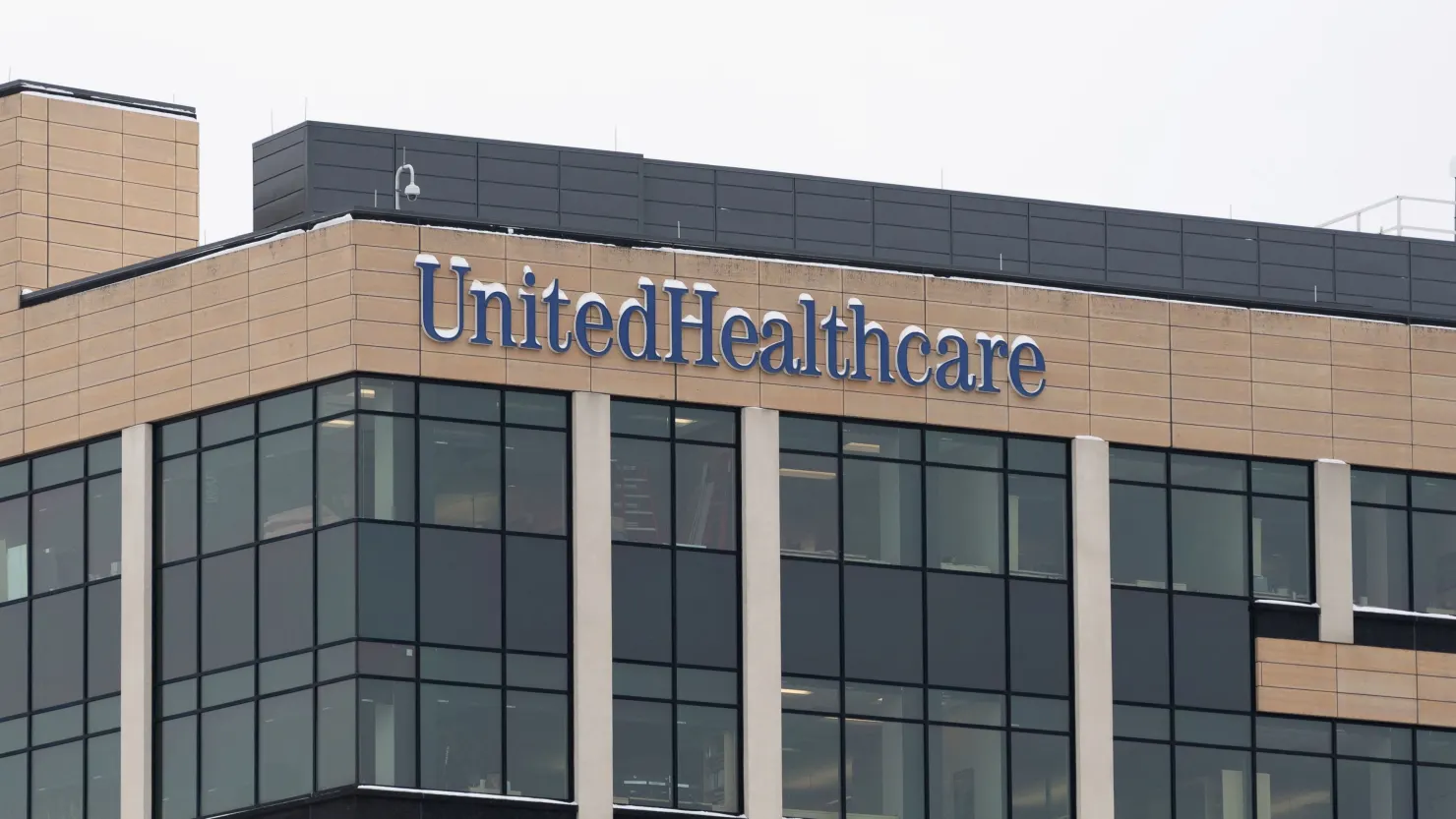
UnitedHealth Group came in stronger than expected to start the year – and it’s feeling confident enough to lift its forecast.
The health care giant posted first-quarter results Tuesday that topped Wall Street estimates on both profit and revenue, helped by tighter control over medical costs and a broader effort to streamline its business.
Adjusted earnings landed at $7.23 per share, well ahead of expectations, while revenue climbed to $111.7 billion. Not explosive growth, but solid – and enough to reassure investors after a rocky stretch for the insurance sector.
The bigger headline might be what comes next.
UnitedHealth now expects full-year 2026 earnings to exceed $18.25 per share, a bump from its earlier outlook. Revenue guidance stayed put at more than $439 billion, suggesting the company sees steady demand even as it reshapes parts of the business.
Costs, long a pain point across the industry, are finally showing signs of easing – at least here.
The company’s medical benefit ratio, a key measure of how much it spends on patient care versus what it collects in premiums, came in at 83.9%. That’s better than analysts were bracing for and an improvement from last year. Lower is better on this metric, and this drop hints that UnitedHealth is getting a firmer grip on expenses.
That hasn’t been easy. Insurers have spent the past couple of years dealing with a surge in patients returning for care they delayed during the pandemic, along with rising prices for specialty drugs. Those pressures haven’t disappeared, but they’re becoming more manageable.
Part of the fix is strategic. The company has been pulling back from less profitable markets, trimming certain Medicare Advantage footprints, and reworking contracts that weren’t paying off. Membership has dipped slightly as a result, but margins are improving.
There’s also a bigger reset underway.
Leadership is leaning into tech – especially artificial intelligence – while trying to simplify how patients access care and how providers interact with the system. The goal is to cut friction, lower costs, and rebuild some of the credibility the company lost during recent challenges.
Both major arms of the business delivered. Insurance unit UnitedHealthcare and the services division Optum each beat sales expectations, with growth in areas like pharmacy benefits helping offset weaker spots.
Net income held steady at just over $6.2 billion, roughly in line with last year, but profitability improved once one-off items were stripped out.
Investors liked what they saw. Shares moved higher after the report, reflecting a sense that UnitedHealth may be stabilizing while others in the industry are still wrestling with rising costs.
There’s still pressure in the system – medical expenses remain elevated, and the policy environment can shift quickly – but for now, the company looks more in control than it did a few quarters ago.
And that’s enough to change the tone.



The latest news in your social feeds
Subscribe to our social media platforms to stay tuned