
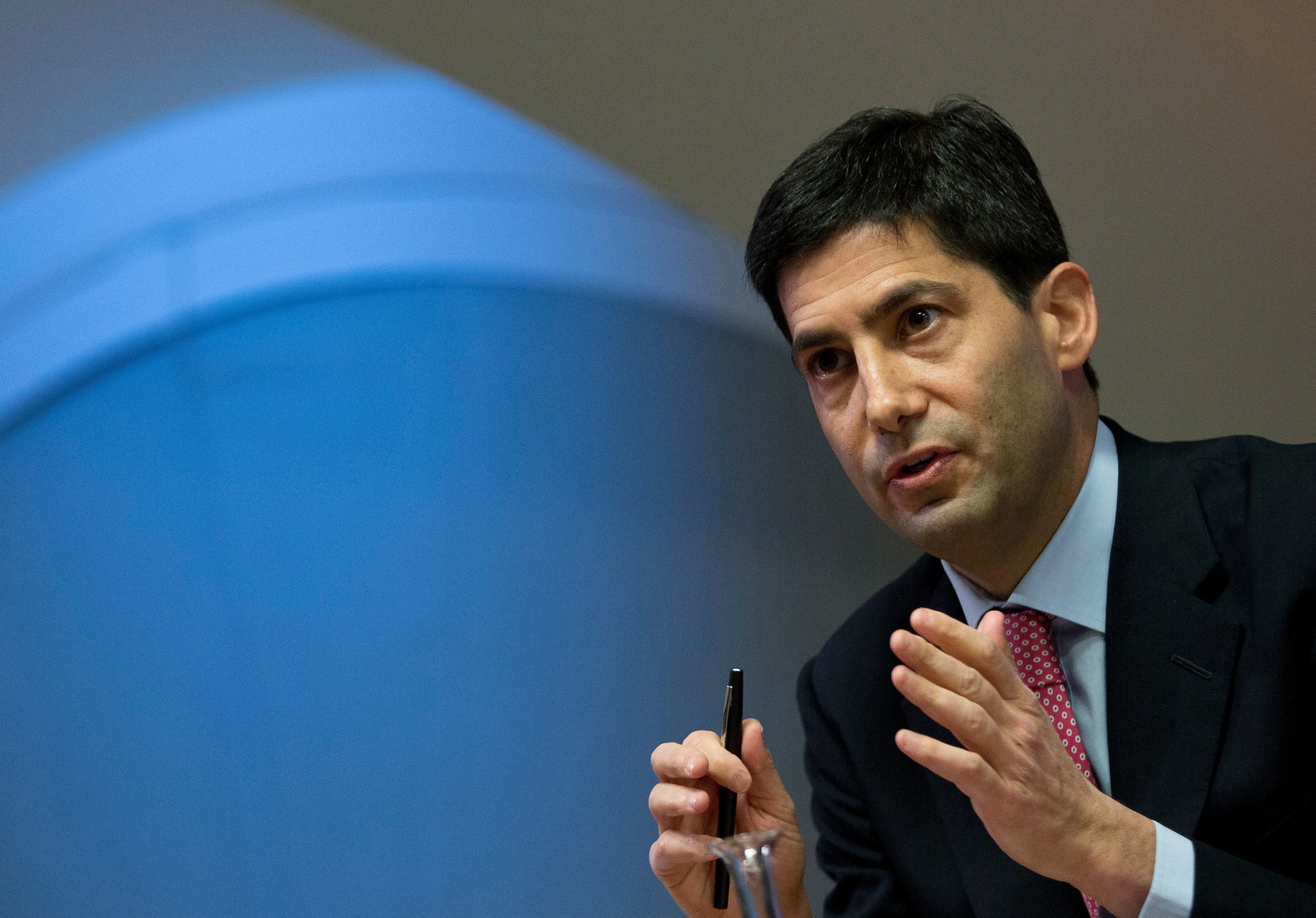

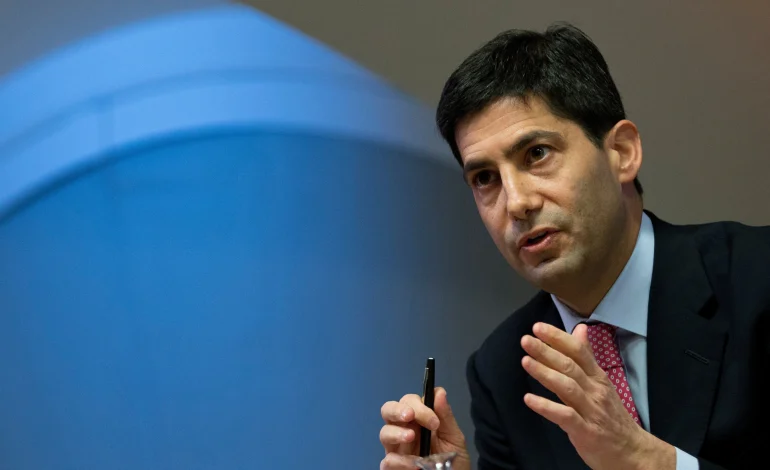

Kevin Warsh’s long pursuit of the Federal Reserve’s top job is entering a decisive phase, but the conditions surrounding it are shifting in ways that could redefine the role he’s seeking.
Appearing before the Senate Banking Committee on Tuesday, Warsh arrives at a moment when economic policy is being pulled in competing directions. Inflation is picking up again, driven in part by higher energy prices linked to the Iran war, complicating the case for the interest rate cuts President Donald Trump has been pushing. At the same time, the broader economic outlook is clouded, with risks to growth and hiring starting to emerge.
If confirmed, Warsh could inherit an unusually awkward institutional setup. Jerome Powell, whose term as chair is nearing its end, may remain on the Fed’s governing board, creating a dynamic not seen since the late 1940s. That alone would test the internal balance of the central bank at a time when its external independence is already under scrutiny.
The hearing itself is expected to focus less on theory and more on trust. Democrats have signaled they will press Warsh over financial disclosures showing holdings exceeding $100 million, raising questions about transparency and potential conflicts of interest. The issue cuts directly into the credibility of a role that depends as much on perception as policy.
Equally central is the question of political pressure. Trump has repeatedly called for lower rates, and Warsh’s nomination has been widely interpreted through that lens. In prepared remarks, Warsh sought to draw a line without fully distancing himself from the president’s position. He described central bank independence as “essential,” while adding that it is not compromised when “elected officials — presidents, senators, or members of the House — state their views on interest rates.”
That framing leaves room for interpretation. On one hand, it acknowledges the Fed’s formal autonomy. On the other, it normalizes a level of political commentary that many economists see as potentially destabilizing, especially when markets are already sensitive to inflation signals.
Warsh’s own policy emphasis adds another layer.
“Inflation is a choice, and the Fed must take responsibility for it,” he said in his prepared remarks.
The statement points to a traditional, hawkish stance that prioritizes price stability, even if it comes at the expense of faster growth. Notably, his remarks focused on inflation without mentioning the Fed’s parallel mandate of maximizing employment, a silence that could shape expectations about how he would balance the two.
Yet the path forward is far from clear. The nomination itself is entangled in a separate political dispute: a Justice Department investigation into Powell and the Fed. Senator Thom Tillis has said he will block progress on Warsh’s nomination while the probe continues, effectively freezing the process. Democrats have echoed that skepticism, with Senator Tina Smith saying,
“Clearly there’s a majority of the committee that’s not going to move this nomination forward, especially while this sham of a criminal investigation is going on,” adding that “It feels a bit like we’re going through the motions when we really have not addressed the fundamental challenges that this nomination has.”

The latest news in your social feeds
Subscribe to our social media platforms to stay tuned