


Ceasefire extended as US holds strike on Iran


The United States has once again shifted its position on the war with Iran, extending a fragile ceasefire just hours after signalling it might not.
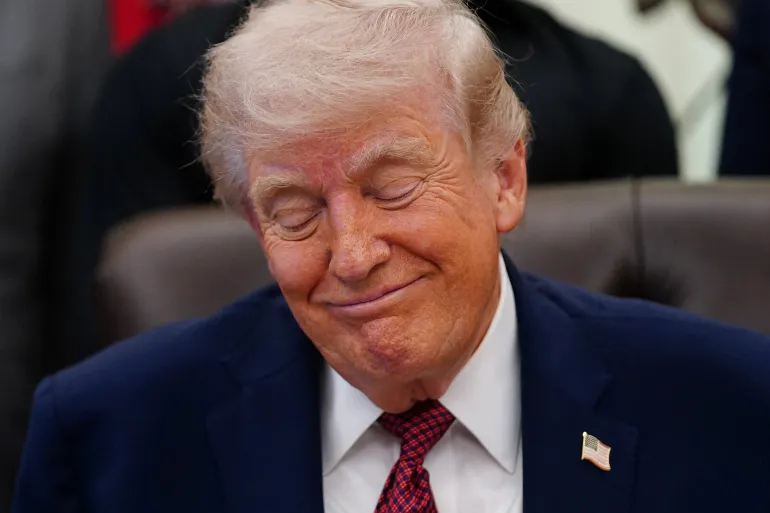
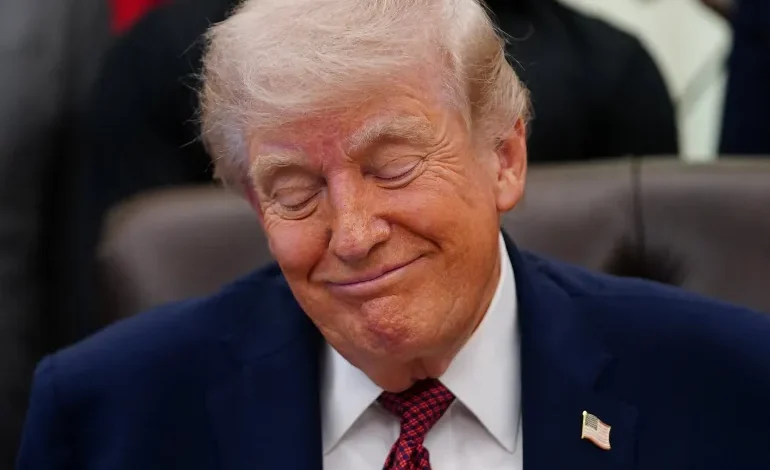
President Donald Trump announced on Tuesday that US forces would delay a planned military strike, keeping pressure in place while giving Tehran more time to respond diplomatically. The decision came after a request from Pakistani mediators, with the original truce set to expire the following day.
“I have therefore directed our Military to continue the Blockade and, in all other respects, remain ready and able, and will therefore extend the Ceasefire until such time as their proposal is submitted, and discussions are concluded, one way or the other,” Trump said in a social media post.
The wording leaves the timeline deliberately open. Rather than setting a fixed deadline, Washington is tying the ceasefire to Iran’s next move, effectively placing the burden of progress on Tehran while maintaining military readiness.
That flexibility marks a notable shift from earlier in the day, when Trump warned that time was running out and suggested he opposed extending the truce. The reversal underscores how fluid the situation remains, with diplomacy and military pressure running in parallel rather than in sequence.
Iran’s response, for now, is cautious and unresolved. Officials have yet to formally react, with the semi-official Tasnim news agency saying Tehran’s position will be “officially announced later”. That ambiguity reflects a broader tension: whether Iran sees the extension as a genuine opening or simply a continuation of pressure under a different label.
The blockade complicates that calculation. Despite the ceasefire, US naval restrictions on Iranian ports remain in place, something Iranian officials have framed as incompatible with negotiations. Foreign Minister Abbas Araghchi described the blockade as an escalation rather than a pause.
“Iran knows how to neutralize restrictions, how to defend its interests, and how to resist bullying,” he wrote, after calling the measures an “act of war”.
From Washington’s perspective, the dual approach — extending the ceasefire while maintaining the blockade — appears designed to keep leverage intact. It offers time for talks without easing the economic and military constraints already in place.
Pakistan has positioned itself as a key intermediary in that balance. Prime Minister Shehbaz Sharif welcomed the extension and signalled continued efforts to push both sides toward a negotiated outcome.
“I sincerely hope that both sides will continue to observe the ceasefire and be able to conclude a comprehensive ‘Peace Deal’ during the second round of talks scheduled at Islamabad for a permanent end to the conflict,” Sharif said.
Whether those talks materialise remains uncertain. Iran has already cast doubt on its participation, citing the blockade and what it sees as shifting US demands. The extension, in that sense, buys time but does not resolve the core disagreement over conditions for negotiation.
Trump, meanwhile, suggested internal divisions in Tehran may be slowing the process.
“Based on the fact that the Government of Iran is seriously fractured, not unexpectedly so and, upon the request of Field Marshal Asim Munir, and Prime Minister Shehbaz Sharif, of Pakistan, we have been asked to hold our Attack on the Country of Iran until such time as their leaders and representatives can come up with a unified proposal,” he said.
The broader context remains volatile. Since the war began on February 28, the conflict has already reshaped Iran’s leadership structure and intensified regional tensions, even as no clear diplomatic pathway has emerged.

The latest news in your social feeds
Subscribe to our social media platforms to stay tuned