


Business Insider, Bloomberg, and CNBC contributed to this report.
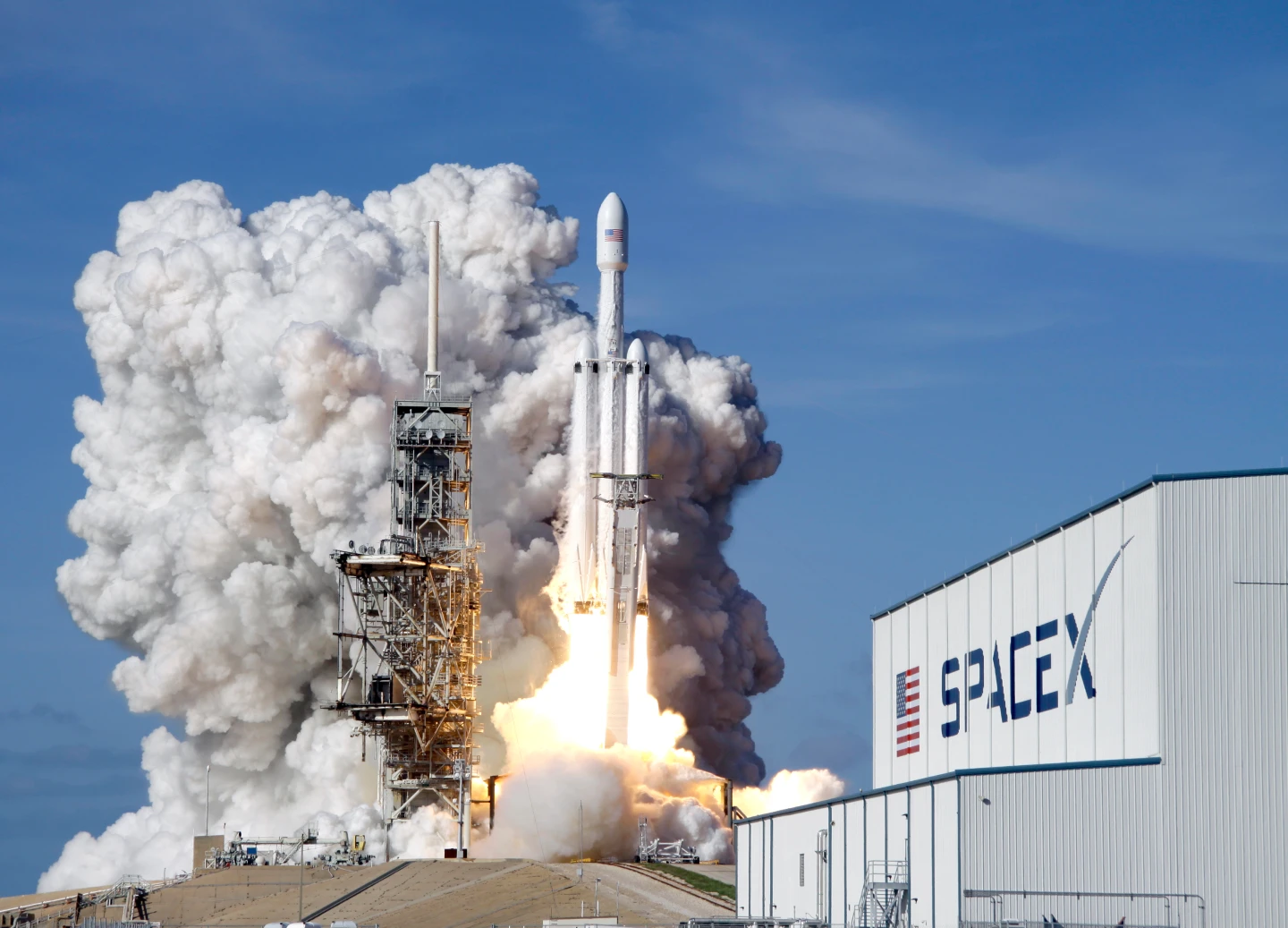
When SpaceX revealed its eye-popping deal with Cursor, the reaction across tech circles was instant – and all over the map.
At its core, the arrangement is simple enough. Cursor gets access to SpaceX’s massive computing muscle, including the Colossus supercomputer. SpaceX, meanwhile, secures the option to buy the startup outright for $60 billion – or walk away after paying a much smaller fee. Behind that structure sits a much bigger goal: catching up, and maybe overtaking, rivals like OpenAI and Anthropic.
Some in the industry see a clean, strategic fit.
Founder Alex Finn called it a “win for both sides,” arguing that SpaceX gets a strong coding product while Cursor finally gains the computing power it needs to stand on its own. Right now, many AI coding tools – including Cursor – still depend on models built by competitors. That’s a risky place to be.
Others aren’t convinced.
Hadley Harris from Eniac Ventures wasn’t buying the hype, suggesting developers are already moving past tools like Cursor entirely. In his view, the real cutting edge has shifted elsewhere – and not in Cursor’s direction.
Still, there’s no denying the appeal of what Cursor brings to the table: a loyal base of highly skilled developers. For Mario Nawfal, that alone makes the deal compelling. He sees Elon Musk quietly stacking assets – AI, social platforms, satellites, and now a popular coding tool – under one roof. What that combination turns into is anyone’s guess, but it’s clearly ambitious.
Venture capitalist Tomasz Tunguz framed it more technically. Winning in AI coding, he said, comes down to three things: compute, models, and distribution. SpaceX has compute. Cursor has distribution. Neither has the full package yet. Put them together, and the gaps start to close.
Not everyone reads it as a straightforward acquisition play.
Anand Kannappan, a former Meta data scientist, sees the deal as a live experiment. Cursor gets to train its models using SpaceX’s infrastructure, while xAI runs similar tests on its own systems. If it works, SpaceX pulls the trigger on the $60 billion buyout. If it doesn’t, they walk away with insights – and a stronger in-house AI anyway.
That uncertainty shows up in how the deal is structured. As Brex executive Art Levy put it, it’s basically a “try before you buy” arrangement, just with a massive price tag attached.
There’s also a survival angle.
Recruiting startup cofounder Max Kolysh pointed out that Cursor has been sitting on shaky ground, relying on tech from companies that are now direct competitors. Building its own models isn’t optional anymore – it’s necessary. And that kind of effort costs serious money. SpaceX, conveniently, has plenty of it.
Then there’s the broader ripple effect.
Rohit Mittal from Helium Ventures thinks this could shake up the entire AI coding market, especially if Cursor shifts away from relying on Anthropic’s models. That could tilt momentum toward SpaceX’s AI ambitions faster than expected.
His takeaway was blunt:
“The Hunger Games have just begun.”
Even seasoned dealmakers are watching closely. Thomas Smale described the arrangement as a “test drive with a $10 billion deposit,” with the real question being whether Cursor can build something durable enough to justify that $60 billion price tag.
One thing nearly everyone agrees on: this isn’t just another partnership. It’s a high-stakes move in a crowded, fast-moving race – and the outcome is far from settled.



The latest news in your social feeds
Subscribe to our social media platforms to stay tuned