


Peru delays fighter jet deal, triggering minister resignations
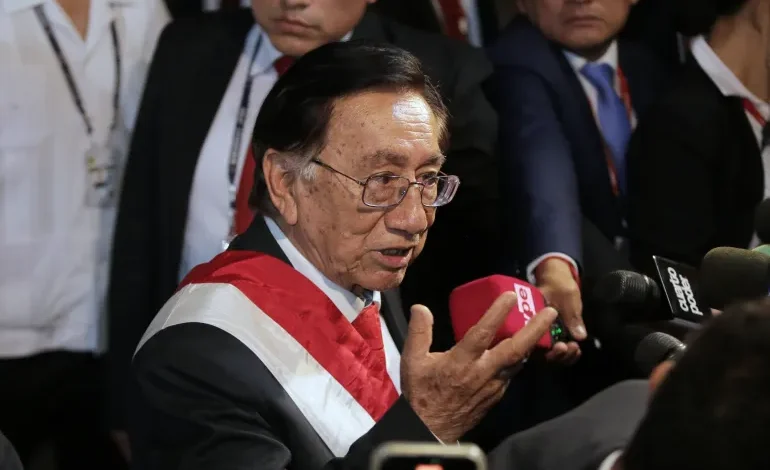

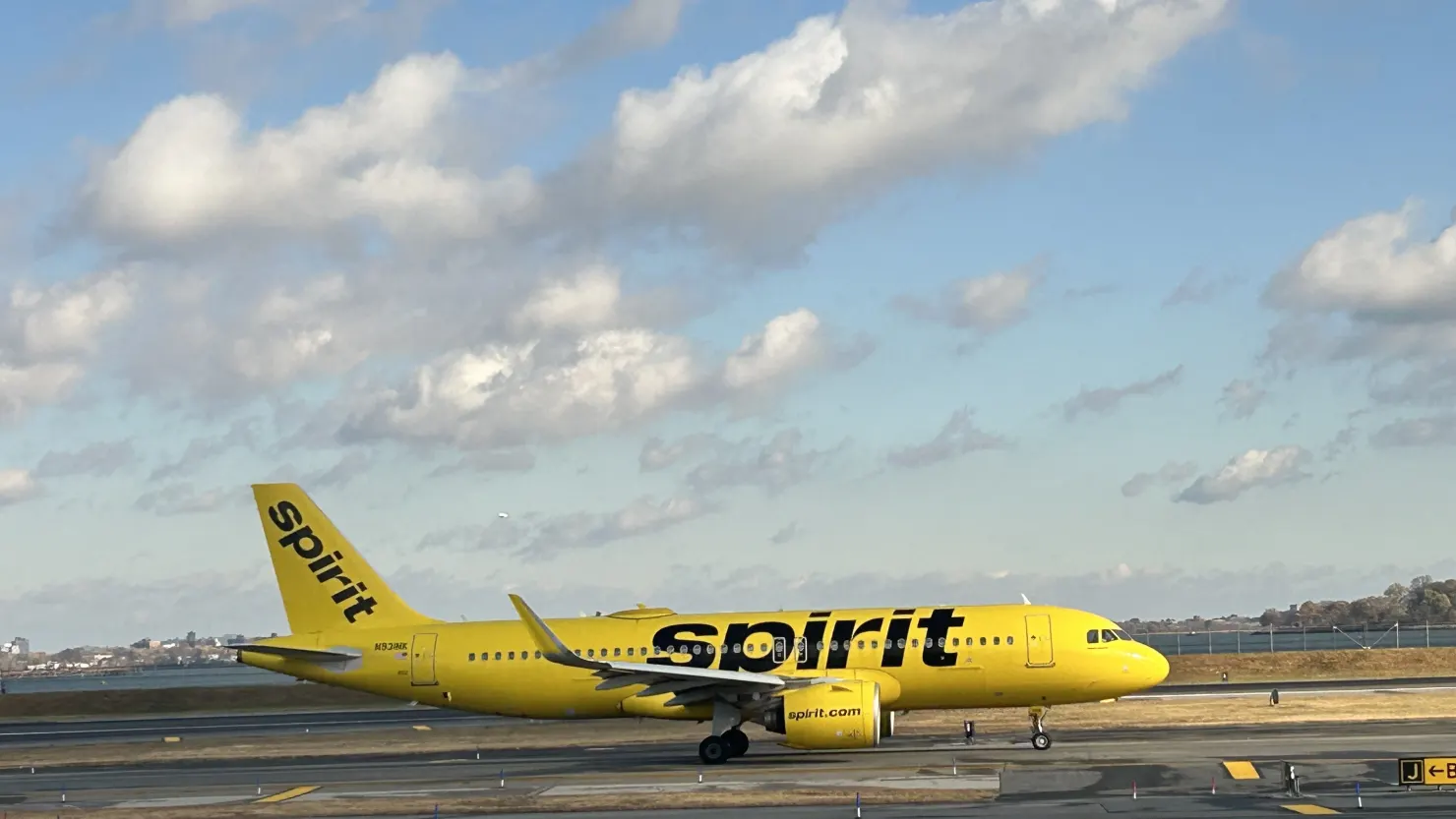
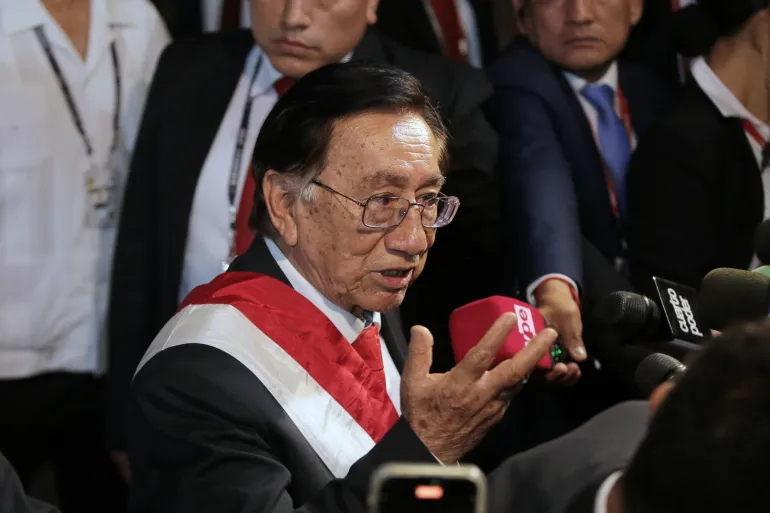
A major defence decision in Peru has turned into a political fault line, after interim President Jose Maria Balcazar stepped back from approving a multibillion-dollar fighter jet deal — prompting two senior ministers to resign.
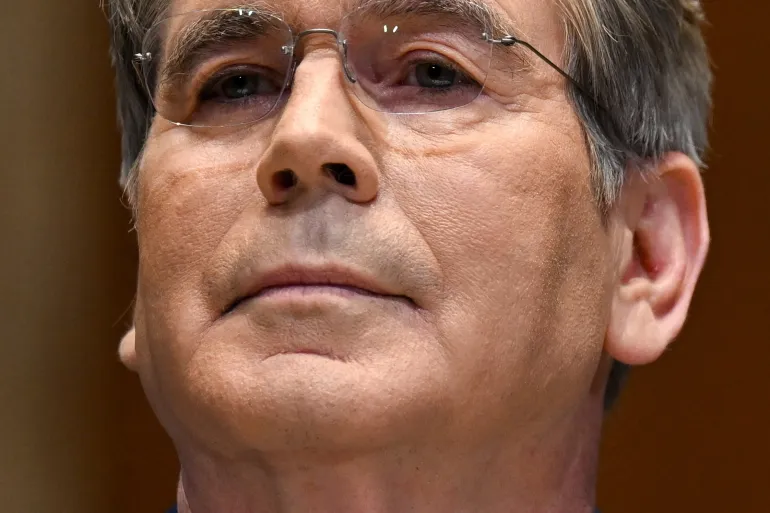
Defence Minister Carlos Diaz and Foreign Minister Hugo de Zela both quit on Wednesday, citing disagreement with the decision to defer the purchase of F-16 jets from US defence giant Lockheed Martin.
“A strategic decision has been taken in the area of national security with which I have a fundamental disagreement,” Diaz wrote.
At the centre of the dispute is not whether Peru needs to modernise its ageing air force, but who should decide — and when. The proposed deal, valued at $3.5bn, would bring up to 24 new aircraft into service, starting with an initial batch of 12.
Balcazar’s position is procedural rather than outright opposition. Having taken office only in February as Peru’s latest interim leader, he argued that committing to such a large expenditure should fall to the next elected government.
“For us to commit such a large sum of money to the incoming government would be a poor practice for a transitional government,” he said last week.
At the same time, he signalled continuity, stressing that existing negotiations would not be abandoned.
“We remain firm in respecting all agreements that may have been reached at the level of the armed forces, or in this case, with the relevant ministry of the air force, to carry out the corresponding negotiations.”
That balancing act — pausing without cancelling — has proven politically costly.
The resignations suggest that within the government, the delay is being interpreted not as caution but as a strategic misstep, particularly given the long-running debate over the purchase. Critics have questioned whether the deal reflects alignment with US interests, while others argue Peru has viable alternatives from European manufacturers such as France’s Dassault Aviation and Sweden’s Saab.
The United States has reacted sharply to the uncertainty. Ambassador Bernie Navarro issued a public warning days after the signing ceremony was abruptly cancelled.
“If you deal with the U.S. in bad faith and undermine U.S. interests, rest assured, I, on behalf of [President] Trump and his administration, will use every available tool to protect and promote the prosperity and security of the United States and our region,” he wrote.
Washington has also pushed back against suggestions that its offer is less competitive. Navarro defended the proposal, describing it as both technically advanced and commercially viable.
The “bid was made at a high level of competitiveness,” he said, adding that the aircraft represent “the most technically advanced fighter jets ever built”.
He also framed the delay as more than a political pause, warning of practical consequences for the deal itself.
“In planning the delivery of a product of this calibre, there is no such thing as an inconsequential delay,” he wrote.
“Every delay results in significant costs. The same package cannot be available in a couple of months, or even weeks.”
The dispute lands in a broader context of political instability. Balcazar is Peru’s ninth president in a decade, and his decision reflects the constraints of a transitional administration operating in a fragmented system.


The latest news in your social feeds
Subscribe to our social media platforms to stay tuned