


With input from BBC, the New York Times, FOX Business, and AP.
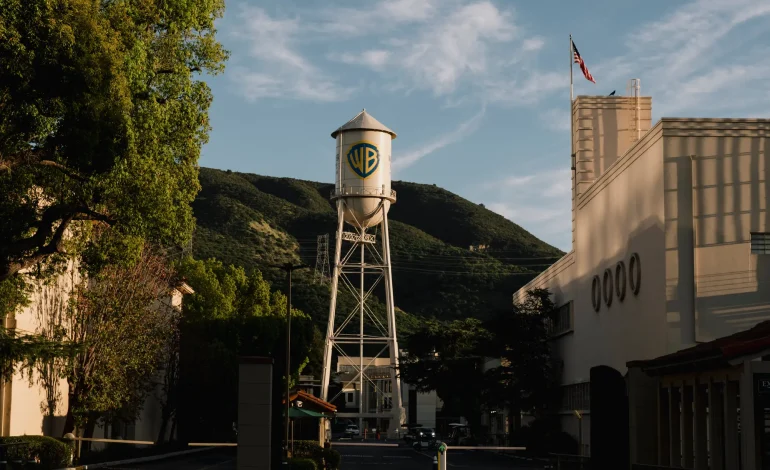
Shareholders at Warner Bros. Discovery have signed off on a massive $111 billion takeover by Paramount – a deal that could redraw the map of Hollywood if regulators don’t slam the brakes first.
The vote, widely expected after months of corporate drama, clears a major hurdle. If it goes through, Paramount – backed by billionaire Larry Ellison and led by his son David Ellison – will take control of a sprawling empire: HBO, CNN, “Harry Potter,” “Game of Thrones,”and a long list of cable networks.
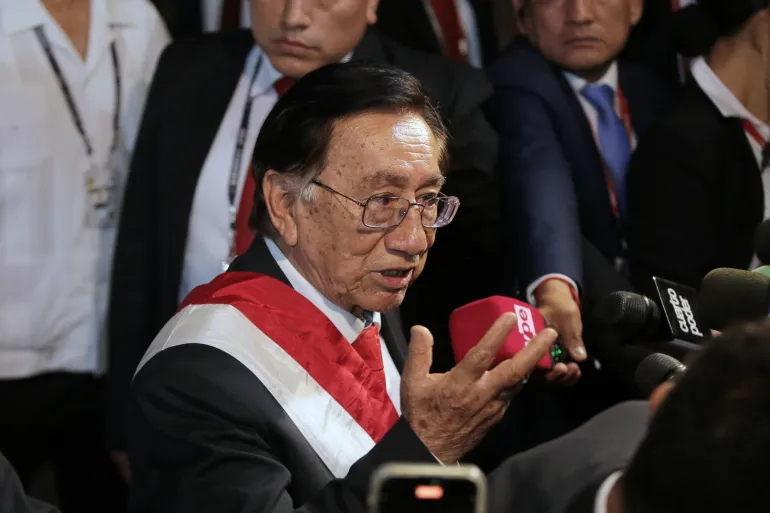
Warner’s board framed it as a win. Chairman Samuel DiPiazza said the combined company could offer more choice to viewers and open doors for creators worldwide. That’s the pitch, anyway.
Behind the scenes, it’s been anything but smooth.
Earlier this year, Netflix had its own deal on the table before backing out when Paramount came in with a richer offer. What followed was a drawn-out tug-of-war that ended with Paramount securing the prize – and agreeing to a hefty breakup fee to Netflix along the way.
Now comes the harder part.
The deal still needs approval from US regulators and European authorities, and that’s where things could get messy. Critics across Hollywood and Washington are already lining up. More than 1,400 industry figures – including big-name actors and directors – have warned the merger could shrink opportunities, cut jobs, and leave audiences with fewer choices.
Senator Elizabeth Warren didn’t mince words, calling the deal an “antitrust disaster” and signaling that opposition isn’t going away quietly.
There’s also a political undercurrent running through all of this. Paramount’s leadership has ties to former President Donald Trump, who has repeatedly clashed with CNN – a network that would fall under the new ownership. That’s fueling concerns about editorial independence, especially after recent changes at CBS, another Paramount property.
Out in the streets, protests are already taking shape. Actor Mark Ruffalo is expected to join demonstrations tied to a high-profile Washington dinner linked to the deal. Critics are framing it as more than just a merger – they see it as a consolidation of cultural and political influence.
Paramount, for its part, is trying to calm nerves. Executives say they’ll keep Warner Bros. and Paramount running as separate studios, commit to theatrical releases, and even increase the number of films produced each year. They’re also hinting at a future where HBO Max and Paramount+ could merge into a single streaming platform.
Skepticism remains.
Industry insiders expect cost-cutting once the dust settles – which usually means layoffs and fewer overlapping teams. And while the companies talk about bigger libraries and global reach, opponents worry about higher prices and less creative diversity down the line.
For now, shareholders have had their say. But this deal isn’t done yet. Regulators, politicians, unions, and creatives are all stepping into the ring.
Hollywood’s next chapter is being negotiated in real time – and the ending is still wide open.

The latest news in your social feeds
Subscribe to our social media platforms to stay tuned