

Axios, USA Today, and Investor’s Business Daily contributed to this report.
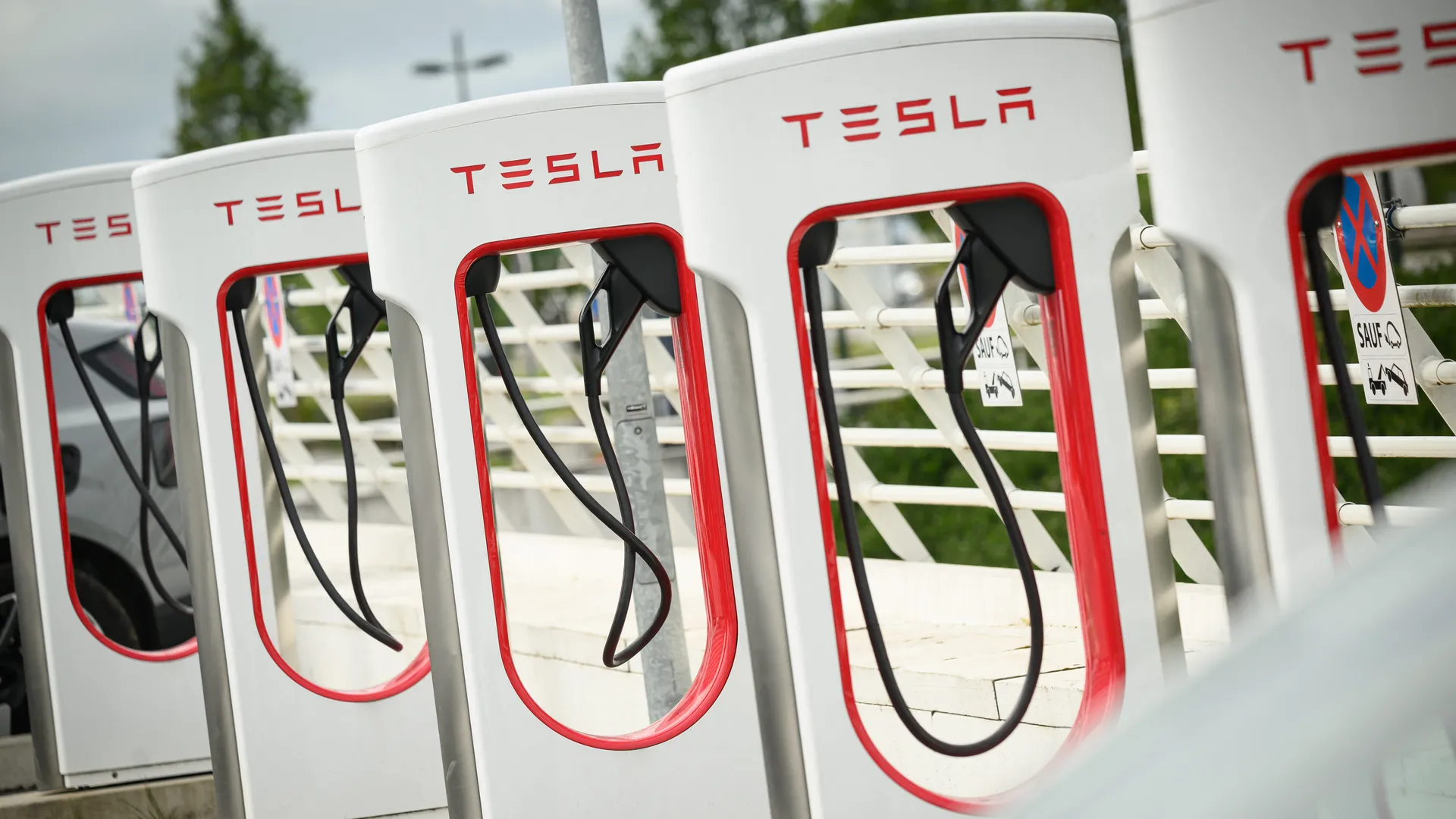
Tesla posted a decent bump in revenue and profit – but the bill for its AI ambitions is starting to look hefty.
The carmaker brought in $22.4 billion in the first quarter, a 16% jump from a year ago. Net income climbed 17% to $477 million. Solid on paper. Then you get to expenses. Operating costs shot up 37% to $3.78 billion, squeezing margins down to 4.2% for the second straight quarter.
That’s the trade-off right now. Growth is there – but it’s getting more expensive to chase.
CEO Elon Musk isn’t hiding where the money’s going. Tesla is pouring cash into AI – everything from self-driving systems to humanoid robots to custom chips. On the latest earnings call, Musk made it clear spending is about to climb even higher, calling it a “very significant increase” in capital expenditures. His pitch: spend big now, cash in later.
The strategy is already reshaping the company.
Tesla is phasing out longtime models like the Model S and Model X to free up factory space for its Optimus robot. Yes, actual robots. The Fremont plant in California is being retooled for that shift, with pilot production expected next year. Musk says Optimus could start doing useful work outside Tesla as soon as 2027.
Even the company’s best-seller isn’t safe. Tesla hinted that its Model Y could eventually be pushed aside by the upcoming Cybercab – a fully autonomous vehicle Musk sees as the future of the fleet.
Meanwhile, vehicle deliveries came in at 358,023 for the quarter. That’s up 6% year over year, though still below analyst expectations. Not a disaster, but not exactly a blowout either.
Tesla is also juggling competition. China’s BYD has been snapping at its heels in the EV race, briefly overtaking Tesla last year. The rivalry isn’t going away.
And then there’s the infrastructure push. Tesla says it’s teaming up with SpaceX – another Musk venture – to build what it claims could become the largest chip fabrication facility ever. The logic is simple: AI demand is exploding, and existing chip supply won’t keep up.
Short term, none of this is cheap. Long term, Tesla is betting it rewrites the business.
For now, the numbers tell a mixed story – steady growth on one side, rising costs on the other. The company is clearly pivoting hard toward AI. Whether that gamble pays off depends on how quickly those futuristic bets – robotaxis, robots, and custom silicon – turn into real revenue.


The latest news in your social feeds
Subscribe to our social media platforms to stay tuned