


Senators Raise Red Flags Over United–American Tie-Up, Demand Answers

The Wall Street Journal, CBS News, CNBC, Market Watch, and Investor’s Business Daily contributed to this report.
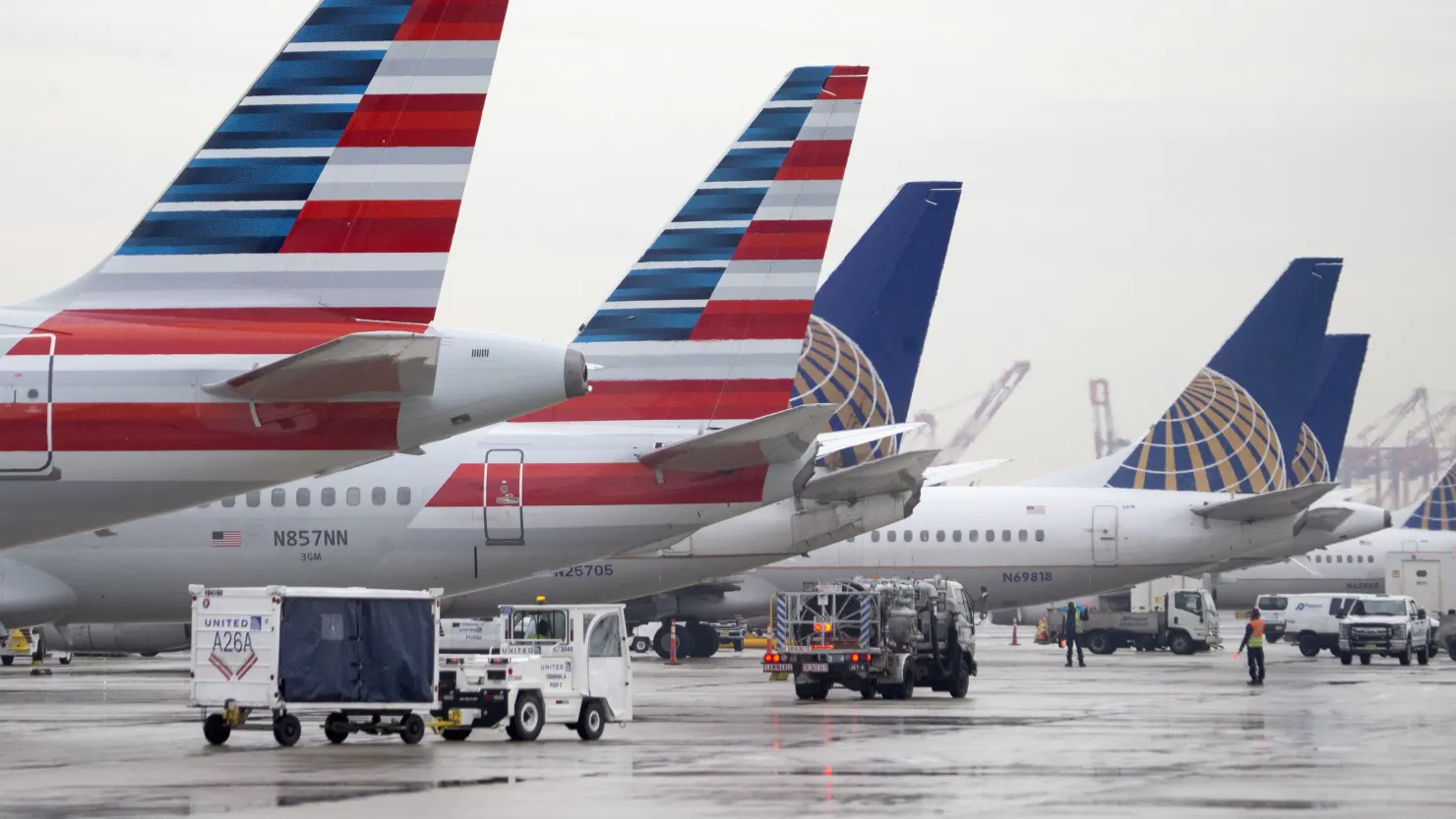
Talk of a blockbuster airline merger is already running into turbulence on Capitol Hill.
Two unlikely allies – Elizabeth Warren and Mike Lee – are warning that any deal between United Airlines and American Airlines could hit travelers where it hurts: ticket prices.
In a joint letter sent to the airlines’ CEOs, the senators didn’t mince words. A merger, they argue, would weaken competition across the industry, giving carriers more room to hike fares and tack on fees. Less rivalry usually means less pressure to keep prices in check – and passengers end up footing the bill.
They’re also worried about what happens behind the scenes. A combined airline giant could make it harder for smaller carriers to secure gate access at major airports, squeezing out competition even further. Workers could feel it too, with fewer employers competing for pilots, crew, and ground staff.
The timing is awkward. Scott Kirby recently floated the idea of a tie-up with Robert Isom in discussions with the Trump administration. The pitch? Bigger scale could help US airlines compete more effectively on international routes, especially against Middle Eastern carriers.
But American isn’t buying it.
The airline shut the door on the idea last week, saying it’s not in talks and has no interest in merging with United. It went a step further, calling such a deal bad for competition and out of step with antitrust principles. Investors reacted quickly – American’s stock slid after the statement, wiping out earlier gains.
Even so, lawmakers want clarity. Warren and Lee have asked both companies to spell out whether any discussions have taken place and, more importantly, how a merger would affect routes, fares, and consumers. They’ve given the airlines until early May to respond.
The stakes are huge. A United-American combination would create the largest airline in the world and concentrate a massive chunk of the US market under one roof. Together with other major carriers, the industry is already tightly controlled. Push consolidation further, and regulators are almost guaranteed to step in.
That’s not just speculation. Antitrust experts have openly questioned whether a deal of this size would ever get approval, with some calling its chances close to zero.
For now, the merger remains more idea than reality. But even the hint of it has sparked a familiar debate in Washington – how big is too big, and who really benefits when giants try to get even bigger?


The latest news in your social feeds
Subscribe to our social media platforms to stay tuned