
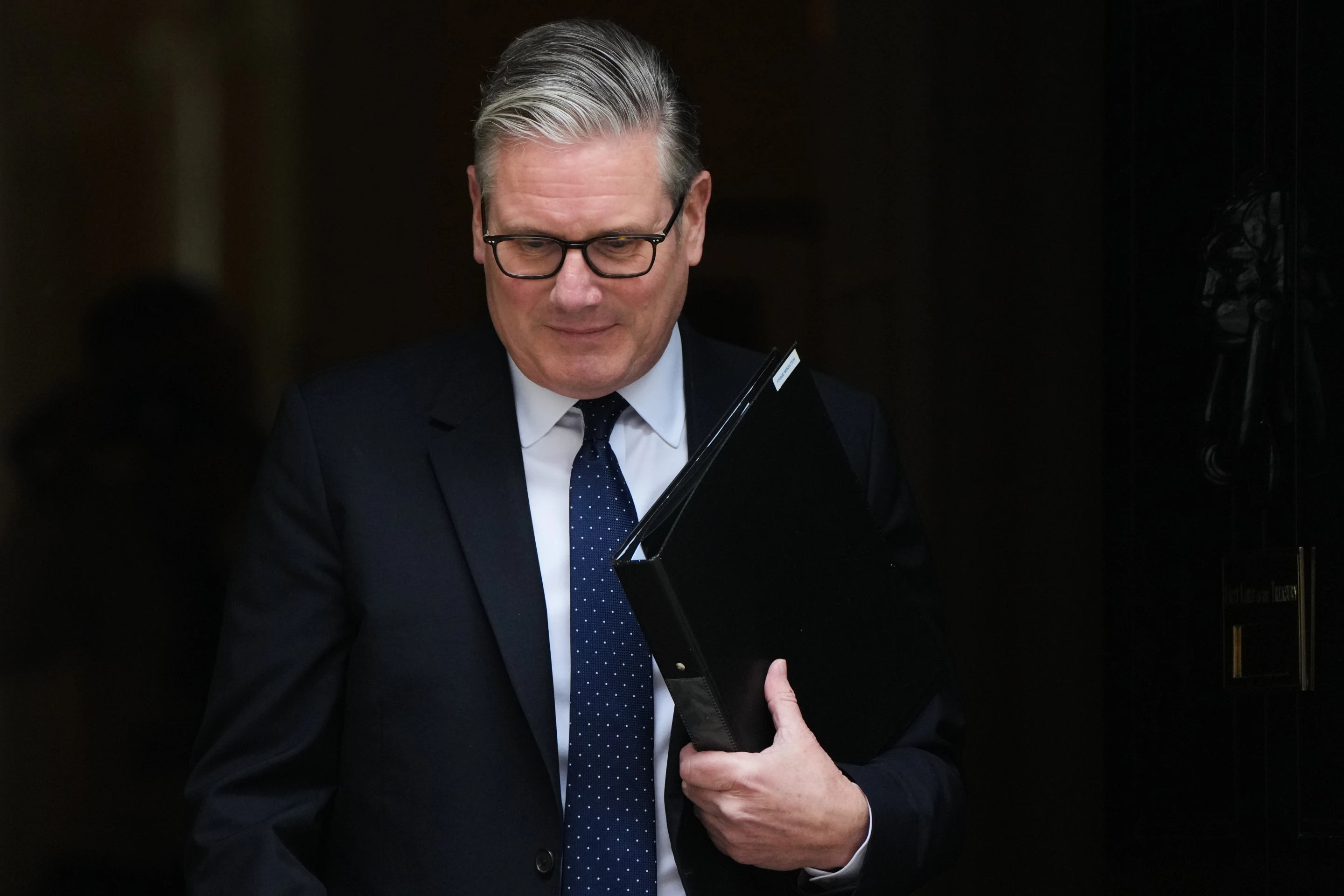



Keir Starmer is trying to contain a political crisis of his own making, acknowledging that appointing Peter Mandelson as the UK ambassador to Washington was a mistake — but stopping short of taking the next step his critics are demanding.
Speaking in the House of Commons on Monday, the prime minister conceded that the decision reflected a failure in judgment.
“I would not have gone ahead with the appointment” had he known Mandelson failed security checks, he told lawmakers, calling it “frankly staggering” that officials did not flag the issue.
He went further, placing responsibility on himself.
“At the heart of this, there is also a judgment I made that was wrong,” Starmer said. “I should not have appointed Peter Mandelson.” He added: “I take responsibility for that decision, and I apologize again to the victims of the pedophile Jeffrey Epstein, who were clearly failed by my decision.”
The admission is unusually direct, but it has not settled the matter. Instead, it has sharpened questions about how such an appointment passed through the system in the first place — and how much the prime minister really knew at the time.
Starmer’s explanation rests on a breakdown in the process. He says Foreign Office officials approved Mandelson despite security concerns and failed to inform him. That claim is now under scrutiny, especially as the government has already moved to dismiss the department’s top civil servant, Olly Robbins, in the immediate fallout.
But the defense is a difficult one to sustain politically. Opposition figures argue that the issue is less about bureaucratic failure and more about political judgment. Conservative leader Kemi Badenoch framed it bluntly: “It doesn’t appear that he asked any questions at all. Why? Because he didn’t want to know.”
That line of attack reflects a broader concern inside Westminster — not just that a mistake was made, but that it reveals a pattern. Critics point to earlier warnings about Mandelson’s ties, including his association with Jeffrey Epstein and business links to Russia and China, all of which carried what officials described as “reputational risk.”
Starmer had dismissed those concerns at the time, prioritizing Mandelson’s experience and international connections, particularly in dealing with the Trump administration. That calculation now looks far more fragile.
The prime minister is also walking a narrow line on accountability. While he apologized and admitted fault, he rejected claims that he misled Parliament when he previously said “due process” had been followed. In Westminster terms, that distinction matters — misleading Parliament is widely seen as a resigning offense.
Still, the political pressure is building. Liberal Democrat leader Ed Davey described the appointment as “a catastrophic error of judgment,” adding that Starmer “gives every impression of a prime minister in office but not in power.” Even within Labour, unease is growing as poor polling numbers collide with a fresh controversy.
Support from senior allies has so far held. Deputy Prime Minister David Lammy insisted that “he would never, ever have appointed him ambassador” had the security concerns been known. But that defense hinges on the same assumption now being tested: that the prime minister was not fully informed.
The timing adds to the stakes. With local and regional elections approaching on May 7, the Mandelson affair risks becoming more than a procedural controversy. It could turn into a referendum on Starmer’s leadership, just months after Labour’s electoral victory.


The latest news in your social feeds
Subscribe to our social media platforms to stay tuned