


Oil Prices Say “All Good.” Reality Says Otherwise.


Bloomberg and Mint contributed to this report.
The oil market hates empty space. Right now, it’s staring into a massive one.
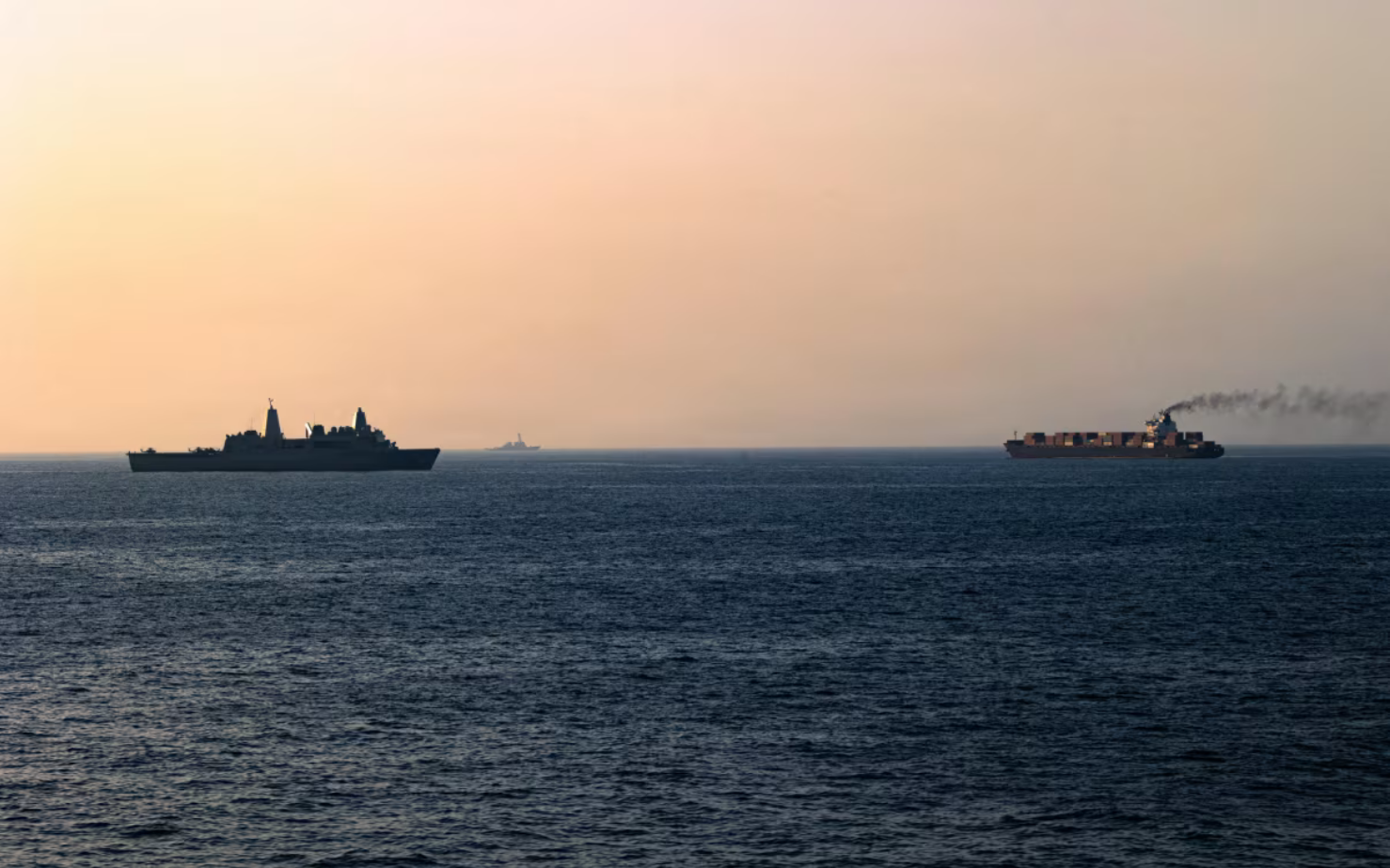
About 15 million barrels a day – roughly 15% of global demand – are effectively stuck behind the closure of the Strait of Hormuz. That missing flow hasn’t vanished; it’s been patched over by draining stockpiles. So far, around 500 million barrels have been pulled out of storage, according to Goldman Sachs. Keep going at this pace and the world could chew through a billion barrels by early summer – possibly as soon as Memorial Day.
Bob McNally of Rapidan Energy Group put it bluntly at a recent energy conference: those lost barrels create a vacuum. Even if the strait reopens tomorrow, that gap doesn’t just disappear. It ripples through the system for months.
Here’s where things get strange. Brent crude is back above $100, yet the broader market reaction feels oddly calm. The further out you look on the futures curve, the less worried traders seem. Prices for 2027 have risen just 17%, while near-term contracts have jumped more than twice that. For oil producers deciding whether to drill, those longer-term prices matter most – and right now, they’re sending a muted signal. Diamondback Energy’s CEO Kaes Van’t Hof didn’t sugarcoat it: the back end of the curve “is lying.”
This is the biggest supply shock since the Suez Crisis in 1956 – another moment when early optimism about the Middle East proved wildly misplaced. The 500 million barrels already drained equal about 6% of global inventories. That’s not a routine fluctuation; it’s the kind of drop that, in OECD data going back decades, would rank as one of the sharpest ever. By June, the drawdown could hit double digits.
When inventories fall this fast, it usually screams tight supply. Prices should surge accordingly. Instead, after spiking in early April, futures pulled back – even as tanks kept emptying and the strait remained effectively shut.
Part of that disconnect comes down to hope. Traders seem to be betting that today’s fragile ceasefire turns into something lasting, and soon.
Another factor is more mechanical. Hedge funds, which started the year with little exposure to oil, rushed into short-term contracts when tensions flared, amplifying the initial price spike. The gap between near-term and later contracts blew out dramatically. Then came the whiplash: strategic reserve releases, erratic geopolitical signals, and sharp volatility. Funds trimmed positions, locking in profits or cutting risk. That selling helped cool prices – for now. As Ilia Bouchouev of the Oxford Institute for Energy Studies warns, that stabilizing effect may not hold if tensions flare again.
Even in a best-case scenario – say the strait reopens quickly – the system doesn’t snap back overnight. Tankers would need to clear. Stored oil would need to move. Wells shut during the crisis would need restarting. And any mines in the waterway? Clearing those could take months on its own. Inventories would still be draining during that whole process, just at a slower pace.
And that best-case scenario feels distant. Iran, Israel, and the US are still trading threats. Blockades remain in place. A survey from the Federal Reserve Bank of Dallas found most US oil executives don’t expect normal traffic through Hormuz before August – and a sizable chunk think it could drag into November or beyond. Many also see little incentive to ramp up production, echoing the concern that prices aren’t sending a strong enough signal.
The longer this supply hole lingers, the harder it will be to refill. Eventually, prices across the curve will have to rise to encourage more output – or force demand lower.
What’s unclear is when the market snaps. A billion barrels gone? Two billion? History offers a clue, though not a comforting one. In early 2020, oil markets barely reacted to the looming Covid shock until suddenly they did – and prices collapsed in spectacular fashion. Recognition didn’t creep in; it detonated.
Today, the gap between what’s happening in the physical oil market and what futures prices suggest is glaring. The Strait of Hormuz may be narrow, but the disconnect it’s creating is anything but. And it’s widening.



The latest news in your social feeds
Subscribe to our social media platforms to stay tuned