

With input from Politico, CNBC, Reuters, Axios, and the New York Times.
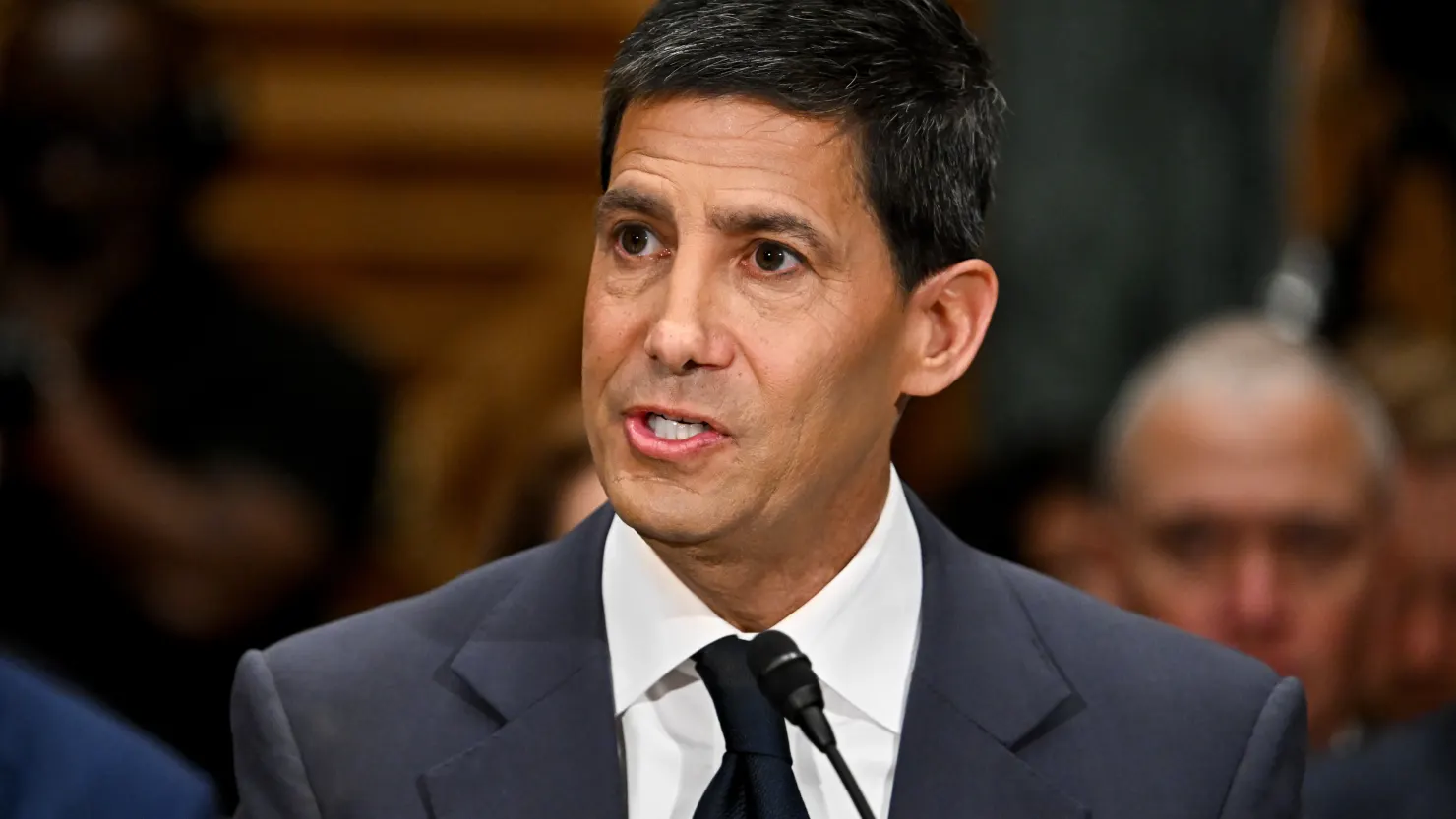
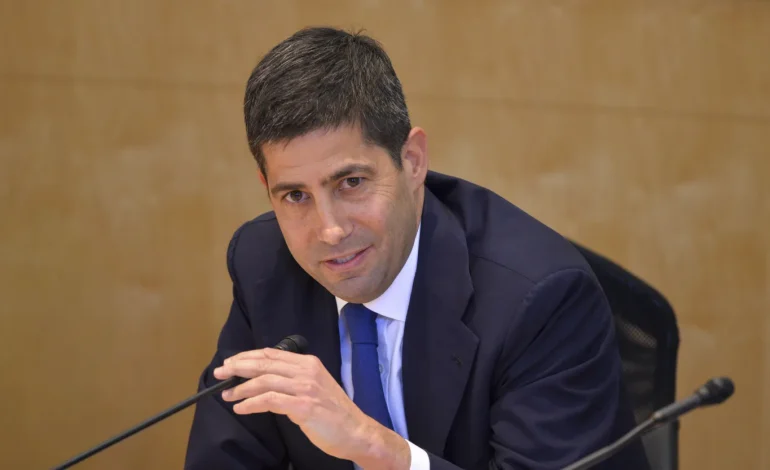
Kevin Warsh is heading into his Senate confirmation hearing with a clear message: the Federal Reserve answers to the data, not the noise.
In prepared remarks for Tuesday, Warsh leans heavily on one idea – independence. Not the ceremonial kind, but the kind earned through discipline, clear thinking, and a willingness to ignore pressure when it matters most. Interest rate decisions, he says, should come from “analytic rigor” and “unclouded decision-making,” not political demands.
That stance lands at a sensitive moment. Donald Trump, who nominated Warsh, has repeatedly pushed for lower rates and taken public shots at current Fed chair Jerome Powell. The question hanging over the hearing: how much sway the White House might actually have.
Warsh doesn’t seem rattled by the pressure. In his view, politicians weighing in on rates isn’t a threat by itself. Central bankers, he argues, should be tough enough to hear competing opinions without bending to them.
Where he draws a harder line is inflation.
Warsh plans to make it central to his pitch, framing price stability as non-negotiable – something the Fed must pursue “without excuse or equivocation.” He goes even further, calling inflation a policy choice and warning that when it gets out of hand, the damage hits hardest for those with the least cushion.
That message doubles as a quiet rebuttal to expectations that he might rush to cut rates. Despite past arguments that stronger productivity – driven by AI and pro-growth policies – could support lower borrowing costs, Warsh is signaling he won’t ignore rising prices to get there.
He’s also taking aim at the Fed itself.
Warsh has spent years criticizing what he sees as mission creep inside the central bank, and he’s not backing off now. Climate policy, social issues, sprawling balance sheet interventions – he argues those moves risk diluting the Fed’s credibility. The institution, in his words, needs to “stay in its lane.”
That lane is monetary policy. Set rates. Manage inflation. Keep the system stable.
Anything beyond that, he suggests, opens the door to political backlash and threatens the very independence the Fed relies on.
The timing complicates things. Warsh’s nomination comes as an investigation into the Fed’s multibillion-dollar headquarters renovation continues, creating friction in the Senate. Some lawmakers have already signaled they may slow the process until more details come out.
Still, the White House is pushing ahead, confident he’ll get through.
Behind the political theater sits a bigger question: what kind of Fed Warsh would actually run. He’s been vocal about shrinking the central bank’s massive balance sheet and rethinking how often it reaches for emergency tools. That could mean a more restrained approach in future crises – though history suggests every Fed chair eventually faces one they didn’t plan for.
For now, the focus is narrower. Inflation is still above target. Rate cuts are under constant debate. And Warsh is trying to convince lawmakers he won’t flinch, even when the pressure ramps up.
The pitch is simple, even if the job isn’t: keep the Fed independent, keep inflation in check, and don’t get distracted.



The latest news in your social feeds
Subscribe to our social media platforms to stay tuned